As electricity costs continue to rise and smart home technologies become more accessible, homeowners are increasingly looking for ways to better understand and control their energy consumption. A smart home energy metering system provides real-time insights into electricity usage, helping users reduce costs, improve efficiency, and make more informed decisions.
Unlike traditional meters that only show total consumption, modern smart systems allow users to monitor energy usage at different levels, including entire homes, individual circuits, and even specific appliances. This level of visibility is essential for identifying inefficiencies and optimizing energy usage in everyday life.
What Is Smart Home Energy Metering?
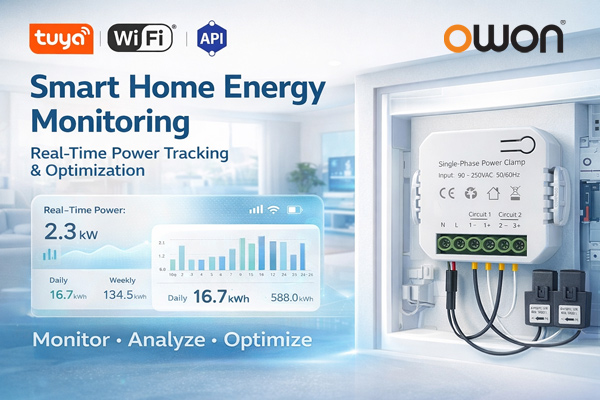
Smart home energy metering refers to the use of connected devices and digital platforms to track and analyze electricity usage in real time. These systems typically include sensors, smart meters, communication modules, and mobile applications.
A complete home energy monitoring system enables users to:
- Track real-time power consumption
- Identify energy-intensive appliances
- Analyze historical usage trends
- Receive alerts for abnormal consumption
In addition to monitoring, these systems also provide insights that help users make smarter decisions, such as adjusting usage patterns or upgrading inefficient appliances.
How Smart Energy Metering Works
Smart home energy metering systems are based on IoT technology, where devices collect and transmit data to cloud platforms or mobile apps.
The process typically includes:
- Data Collection
Energy meters measure voltage, current, and power consumption across circuits or devices. - Data Transmission
Data is sent via wireless technologies such as WiFi or Zigbee to a central platform. - Data Processing
Cloud systems analyze usage patterns, detect anomalies, and generate actionable insights. - User Interaction
Users access real-time dashboards, reports, and alerts through mobile apps or web interfaces.
This type of IoT-based energy monitoring solution enables remote monitoring and automation, allowing users to control energy usage anytime, anywhere.
Key Devices in a Smart Home Energy Metering System
A smart home setup usually includes a combination of different device types, each serving a specific purpose:
Whole-Home Energy Monitors
These devices measure total electricity consumption and are typically installed at the main electrical panel. They provide a high-level overview of household energy usage.
Circuit-Level Energy Meters
Installed on DIN rails, these meters monitor specific circuits such as HVAC systems, lighting, or kitchen appliances. This helps users understand how energy is distributed across different parts of the home.
Smart Plugs
Smart plugs are plug-and-play devices that allow users to monitor and control individual appliances. They are especially useful for tracking high-consumption devices such as heaters, air conditioners, and EV chargers.
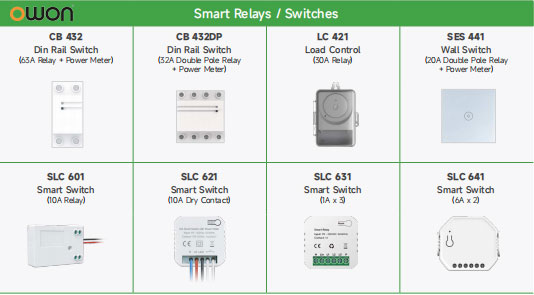
Relay and Control Devices
Smart Relay devices combine monitoring with control functions, enabling users to remotely switch devices on or off. This is particularly useful for automation and safety applications.
How to Optimize Electricity Usage at Home
Once detailed energy data is available, homeowners can take practical steps to optimize electricity usage:
Identify High-Consumption Devices
Energy monitoring helps pinpoint which appliances consume the most power. This allows users to focus on optimizing or replacing inefficient equipment.
Use Automation and Scheduling
Smart systems enable users to automate device operation based on time, usage patterns, or energy tariffs. For example, running appliances during off-peak hours can reduce costs.
Improve HVAC Efficiency
Heating and cooling systems are among the largest energy consumers. Monitoring and optimizing HVAC usage can significantly lower electricity bills.
Leverage Renewable Energy
For homes with solar panels or energy storage systems, smart energy meters allows users to balance energy production and consumption more effectively.
Benefits of Smart Home Energy Metering
Implementing a smart energy metering system provides multiple benefits:
- Lower electricity costs through optimized usage
- Increased awareness of energy consumption habits
- Enhanced control over household devices
- Improved sustainability and reduced carbon footprint
Additionally, real-time monitoring helps prevent energy waste and supports long-term efficiency improvements.
Conclusion
Smart home energy metering is becoming an essential component of modern energy management. By combining connected devices, real-time monitoring, and intelligent data analysis, these systems empower users to take control of their electricity usage.
As smart home ecosystems continue to evolve, adopting a reliable energy monitoring system is one of the most effective ways to reduce energy costs, improve efficiency, and create a more sustainable living environment.