As electricity costs continue to rise, more homeowners are looking for simple ways to understand how much power their appliances use. One of the easiest entry points into home energy monitoring is the power meter plug. These devices are designed to measure electricity usage at the appliance level, helping users identify energy waste and make smarter decisions about daily consumption.
For many households, a plug-based monitor is the first step toward a larger energy management system. It offers visibility without requiring complex wiring and provides immediate insights into how much electricity is being used by devices such as heaters, air conditioners, refrigerators, or kitchen appliances. Over time, this kind of monitoring can help reduce energy bills and improve efficiency.
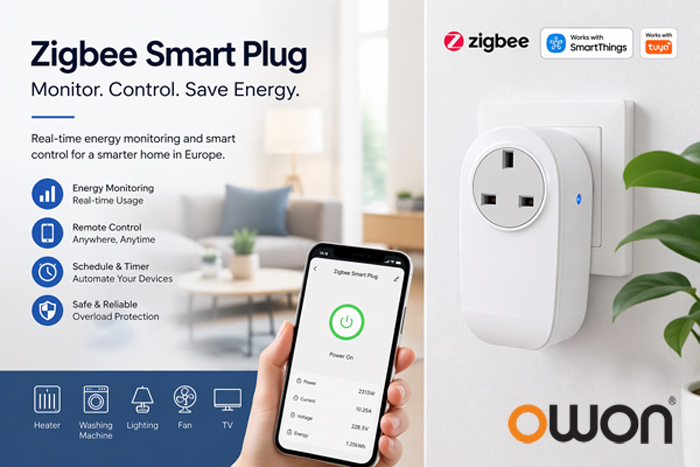
In modern smart homes, energy monitoring has evolved beyond basic plug-in meters. Today’s solutions include WiFi smart plugs, app-connected devices, and a zigbee plug with energy monitoring, allowing users to build more advanced and integrated systems.
What Is a Power Meter Plug?
A power meter plug is a device that connects between a wall outlet and an appliance to measure electricity consumption. It typically tracks voltage, current, and total energy usage (kWh), giving users a clear understanding of how much power a device consumes.
Modern devices go beyond simple measurement. A smart plug energy monitor can provide real-time data, mobile app access, and even automation features, making it easier to manage electricity usage efficiently.
How Does a Plug-In Electricity Meter Work?
A plug-in electricity meter measures electrical flow by detecting voltage and current passing through the device. It then calculates power consumption and records energy usage over time.
Advanced models can also support:
- Real-time monitoring via mobile apps
- Historical energy data tracking
- Remote control and scheduling
- Integration with smart home platforms
This makes them ideal for users who want both visibility and control.
How to Use a Power Meter Plug
Using a power meter plug is simple and requires no technical expertise:
- Plug the device into a wall outlet
- Connect your appliance to the plug
- Pair with a mobile app if supported
- Monitor energy usage in real time
This setup is particularly useful for identifying energy-hungry appliances and optimizing daily usage habits.
For users building a smarter ecosystem, a zigbee plug with energy monitoring provides additional flexibility by enabling communication with other Zigbee-based devices in a smart home network.
What Is the Best Smart Plug to Monitor Electricity Usage?
The best smart plug depends on your specific needs, such as ease of use, connectivity, and integration capabilities.
Basic plug-in meters are suitable for simple monitoring, while more advanced smart plugs offer app control and automation. For users who want a more connected system, Zigbee-based solutions provide better scalability.
Comparison of Energy Monitoring Solutions
| Solution Type | Smart Plug | Zigbee Plug with Energy Monitoring | DIN Rail Energy Meter |
|---|---|---|---|
| Installation | Plug & play | Requires Zigbee hub | Installed in panel |
| Monitoring Scope | Single appliance | Single appliance (smart system) | Whole circuit / home |
| Connectivity | WiFi | Zigbee | WiFi / Modbus |
| Smart Integration | Basic | Advanced (Home Assistant, Tuya) | System-level integration |
| Best Use Case | Beginners | Smart home users | Professional / full-home monitoring |
From this comparison, it is clear that plug-based devices are ideal for entry-level monitoring, while more advanced solutions are better suited for comprehensive energy management.
Limitations of Power Meter Plugs
While power meter plugs are convenient, they have certain limitations:
- They monitor only one appliance at a time
- They cannot provide full-home energy visibility
- They are not suitable for large-scale or industrial applications
Because of these limitations, many users eventually look for more advanced solutions.
From Appliance Monitoring to Whole-Home Energy Monitoring
As energy monitoring needs grow, users often expand beyond plug-based solutions.
A wifi din rail energy meter can monitor entire circuits or even the whole home, providing a much broader view of electricity usage compared to individual plug devices.
These systems are commonly used in:
- Residential energy management
- Commercial buildings
- Smart energy systems
- Solar and HVAC monitoring
By combining smart plugs with DIN rail meters, users can build a layered energy monitoring system that offers both appliance-level detail and system-wide insights.
Why Smart Home Users Upgrade Their Energy Monitoring Systems
Many users start with a simple power meter plug but quickly realize they need more detailed data. They may want to track multiple circuits, monitor energy usage across different rooms, or integrate energy data into automation systems.
At this stage, combining multiple technologies becomes the most effective approach:
- Smart plugs for appliance-level monitoring
- Zigbee devices for smart home automation
- DIN rail meters for full-system visibility
This combination allows users to move from basic monitoring to complete energy optimization.
Conclusion
A power meter plug is an excellent starting point for understanding electricity usage and improving energy efficiency. It provides simple, real-time insights that help users make smarter decisions about appliance usage.
For more advanced applications, a zigbee plug with energy monitoring enables deeper smart home integration, while solutions such as WiFi DIN rail energy meters extend monitoring capabilities to entire circuits and systems.
Together, these technologies create a scalable path from basic energy awareness to comprehensive energy management.