As energy efficiency and smart home automation continue to evolve, smart radiator valve Zigbee solutions are becoming a key component of modern heating systems. From residential apartments to large multi-room properties, Zigbee-based radiator thermostats provide precise temperature control, automation, and integration with smart heating platforms.
This article offers a comprehensive overview of Zigbee smart thermostatic radiator valves, explaining what they are, how they work, their advantages, applications, pricing considerations, and future market trends.
What Is a Zigbee Smart Thermostatic Radiator Valve?
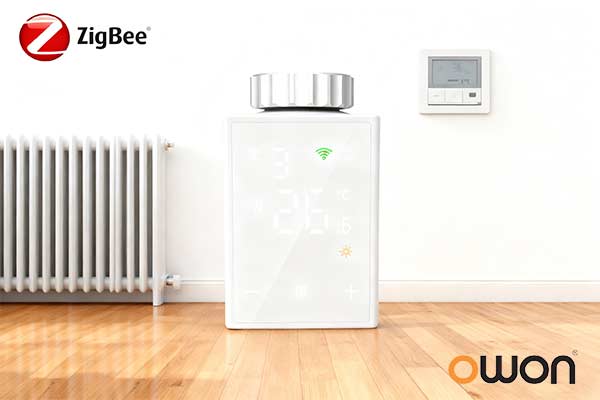
A Zigbee smart thermostatic radiator valve (often called a Zigbee radiator valve or Zigbee TRV) is an intelligent device installed on a radiator to control heat output automatically. It replaces a traditional radiator thermostat and connects wirelessly to a Zigbee network via a central gateway.
Unlike manual radiator valves, Zigbee TRVs allow users to control heating remotely, set schedules, and automate temperature adjustments based on time, occupancy, or environmental conditions. This makes them an important part of modern smart heater and smart home systems.
How Does a Zigbee Radiator Valve Work?
A Zigbee radiator valve works as part of a distributed smart heating system:
-
The built-in temperature sensor monitors room temperature in real time
-
Temperature data is sent to a Zigbee gateway using low-power Zigbee communication
-
The system compares actual temperature with the target setpoint
-
The valve automatically opens or closes to regulate radiator heat output
This process enables accurate, room-by-room temperature control without rewiring existing heating infrastructure.
Key Advantages of Smart Radiator Valve Zigbee Solutions
Choosing a Zigbee radiator valve offers several advantages compared to traditional radiator thermostats or Wi-Fi-based solutions:
Energy Efficiency
Zigbee smart radiator valves reduce energy waste by heating rooms only when needed, helping lower heating bills and carbon emissions.
Room-Level Temperature Control
Each radiator can be controlled independently, improving comfort in multi-room homes and multi-tenant buildings.
Low Power Consumption
Zigbee technology is designed for low-energy operation, allowing battery-powered radiator valves to run for 12–18 months.
Stable Mesh Networking
Zigbee devices form a mesh network, improving reliability in large homes or apartment buildings.
Broad System Compatibility
Many Zigbee radiator valves can integrate with platforms such as Zigbee Radiator Valve Home Assistant setups via compatible gateways.
Typical Applications of Zigbee Smart Radiator Valves
Zigbee radiator valves are widely used in various heating scenarios:
-
Residential apartments and smart homes
-
Multi-dwelling units (MDU) and rental properties
-
Hotels and serviced apartments
-
Student housing
-
Smart building and energy management projects
They are especially popular in retrofit projects where upgrading to smart heating is needed without replacing the entire heating system.
Zigbee Radiator Valve vs Traditional Radiator Thermostat
| Feature | Traditional Radiator Thermostat | Zigbee Radiator Valve |
|---|---|---|
| Temperature Control | Manual | Automatic & remote |
| Scheduling | Not supported | Fully supported |
| Remote Access | No | Yes |
| Energy Optimization | Limited | Advanced |
| System Integration | None | Smart home & BMS |
This comparison highlights why Zigbee TRVs are increasingly preferred in modern smart heating systems.
Using Zigbee Radiator Valves with Smart Home Platforms
Many users search for Zigbee Radiator Valve Home Assistant solutions to integrate heating control into broader smart home ecosystems. With a compatible Zigbee gateway, radiator valves can be linked to:
-
Centralized dashboards
-
Automation rules
-
Scene-based heating control
-
Energy monitoring systems
This flexibility makes Zigbee radiator valves suitable for both DIY smart homes and professional installations.
Price Range and Cost Considerations
The price of a Zigbee smart radiator valve varies depending on features, brand, and integration capabilities. Typical price factors include:
-
Temperature accuracy
-
Display and local controls
-
Battery life
-
Platform compatibility
-
OEM or project-level customization
For large-scale deployments, bulk purchasing and OEM customization can significantly reduce per-unit costs.
Market Trends for Zigbee Smart Heating Devices
The demand for Zigbee thermostat and Zigbee radiator valve solutions continues to grow, driven by:
-
Rising energy costs
-
Government energy efficiency regulations
-
Growth of smart home ecosystems
-
Increasing adoption of smart building technologies
Zigbee-based devices are particularly favored in professional and large-scale projects due to their stability, scalability, and low power consumption.
Common Questions About Zigbee Radiator Valves
Are Zigbee radiator valves difficult to install?
Most Zigbee radiator valves are designed for easy installation and can replace existing thermostatic heads without special tools.
Do Zigbee radiator valves require a gateway?
Yes. A Zigbee gateway is required to connect radiator valves to smart home platforms or control apps.
Are Zigbee radiator valves suitable for large buildings?
Yes. Zigbee mesh networking supports large-scale deployments across apartments, hotels, and commercial properties.
Conclusion: Why Zigbee Radiator Valves Matter
A smart radiator valve Zigbee solution is a practical and future-proof upgrade for modern heating systems. By combining precise temperature control, energy efficiency, and flexible system integration, Zigbee smart thermostatic radiator valves help users reduce costs while improving comfort.
As smart heating and energy management continue to expand, Zigbee radiator valves are expected to play an increasingly important role in both residential and commercial environments.