As energy prices continue to rise and sustainability regulations tighten across Europe and North America, homeowners, property developers, and system integrators are increasingly turning to smart heating systems to modernize residential heating control.
From smart heating systems in the UK and Ireland to growing adoption in North America, these solutions are no longer niche technologies. They are becoming a standard part of modern residential and light commercial HVAC projects.
This article explains what smart heating systems are, how they work, where they are most commonly used, and whether they are worth the investment—based on real-world deployment trends rather than marketing claims.
What Is a Smart Heating System?
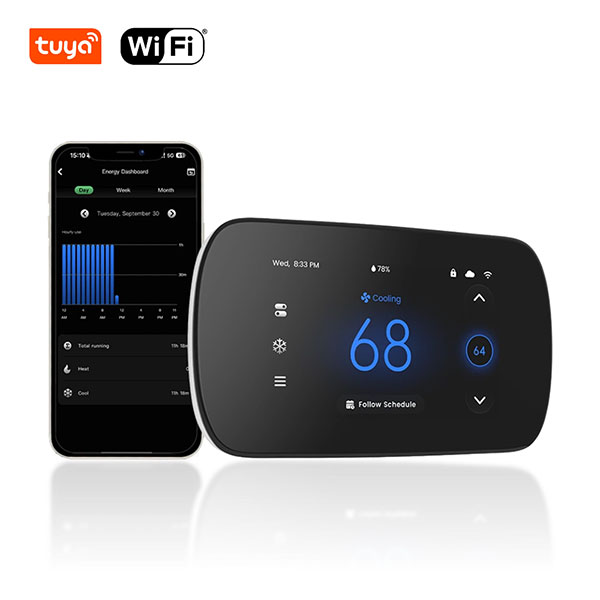
A smart heating system is an integrated solution that combines intelligent thermostats, sensors, connectivity, and control software to manage heating more efficiently than traditional systems.
Unlike conventional thermostats that only adjust temperature locally, smart heating systems allow:
-
Remote monitoring and control via apps or platforms
-
Automated scheduling based on usage patterns
-
Zone-based heating for improved comfort and efficiency
-
Integration with boilers, heat pumps, or energy management systems
These systems are designed to work with various heating sources, including combi boilers, oil boilers, gas furnaces, and electric heating systems.
How Does a Smart Heating System Work?
A typical smart heating system includes:
-
Smart Thermostats
Installed in key zones, these devices control heating equipment using standard HVAC interfaces. -
Sensors and Data Inputs
Temperature, humidity, or occupancy data helps the system make smarter control decisions. -
Connectivity Layer
WiFi or Zigbee connectivity links devices to a central platform or gateway. -
Control Platform
Users or operators can manage heating schedules, set automation rules, and monitor performance remotely.
Together, these components enable heating systems to respond dynamically to real-world conditions instead of relying on static settings.
Common Smart Heating System Applications
Smart heating systems are widely used across different regions and heating types:
-
UK & Ireland: Combi boiler and oil boiler heating systems
-
Europe: Zoned radiator and underfloor heating systems
-
North America: Furnace- and heat-pump-based HVAC systems
They are commonly deployed in:
-
Residential homes and apartments
-
Multi-unit housing projects
-
Retrofit installations where rewiring is limited
Is a Smart Heating System Worth It?
From a system perspective, smart heating systems offer measurable benefits:
-
Reduced energy consumption through smarter scheduling
-
Improved comfort via zone-level control
-
Lower operational costs in multi-unit buildings
-
Better visibility into heating performance
For developers and integrators, these systems also simplify long-term maintenance and upgrades by enabling centralized control and remote diagnostics.
Smart Heating Controls vs Traditional Heating Controls
Traditional heating controls operate independently and require manual adjustment. Smart heating controls, by contrast, function as part of a connected system—making them more adaptable to modern energy and comfort requirements.
This shift explains why many residential projects now treat smart heating systems as a core infrastructure component, rather than an optional upgrade.
Industry Example: Platform-Based Smart Heating Solutions
In real-world deployments, smart heating systems are typically built around open, platform-based devices rather than closed consumer products.
For example, some IoT manufacturers such as OWON provide smart thermostat platforms designed for system integration rather than standalone retail use. These thermostats are commonly used in projects where compatibility with existing HVAC systems, long-term availability, and integration flexibility are critical.
By combining smart thermostats with sensors, gateways, and cloud platforms, solution providers can deliver scalable heating systems suitable for different regions and heating configurations.
Choosing the Right Smart Heating System
When comparing smart heating systems, decision-makers should consider:
-
Compatibility with existing boilers or HVAC equipment
-
Support for different heating types (gas, oil, electric)
-
Scalability for multi-zone or multi-unit projects
-
Integration with broader energy or building management systems
The “best” smart heating system is not defined by brand popularity, but by how well it fits the technical and operational requirements of a specific project.
Conclusion
Smart heating systems are no longer experimental technologies—they are practical, proven solutions for improving comfort, efficiency, and control in modern heating projects.
As residential heating continues to evolve toward smarter, more connected architectures, system-level solutions built on open, integration-friendly platforms are likely to define the future of heating control.
For developers, integrators, and solution providers, understanding how smart heating systems work is the first step toward building reliable and future-ready heating solutions.