As energy systems become increasingly digitalized, the smart energy meter using IoT has emerged as a foundational device for intelligent energy monitoring and management. By combining accurate electrical measurement with cloud connectivity, IoT-enabled energy meters transform raw consumption data into actionable insights.
This article explains how IoT-based smart energy meters are structured, how data flows from devices to cloud platforms, and where they are commonly used in real-world energy management scenarios.
What Does “Smart Energy Meter Using IoT” Mean?
A smart energy meter using IoT is not just a metering device—it is an edge node within a larger Internet of Things ecosystem. It continuously measures electrical parameters and transmits data through communication networks to cloud platforms or local servers for analysis, visualization, and automation.
Core elements include:
-
Embedded measurement hardware
-
IoT communication modules
-
Cloud-based data processing
-
User-facing applications (web or mobile)
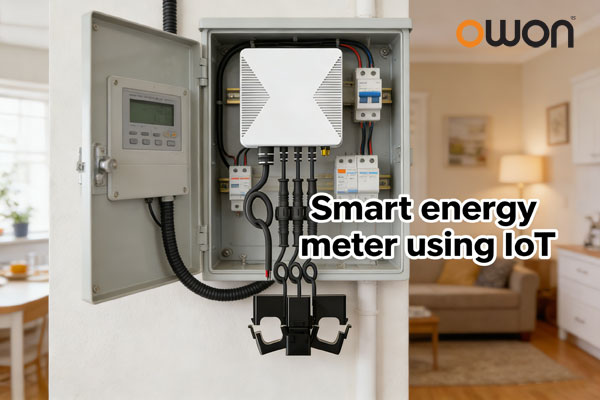
A typical IoT energy monitoring architecture consists of four layers:
1. Device Layer
The smart energy meter measures voltage, current, power, and energy consumption. Some models also support bidirectional measurement, power quality analysis, and load profiling.
2. Communication Layer
Data is transmitted using IoT communication technologies such as:
-
WiFi
-
Zigbee
-
Ethernet
-
Cellular (NB-IoT / LTE-M)
The choice of protocol depends on deployment scale, power requirements, and network availability.
3. Cloud Platform Layer
The cloud platform aggregates meter data, performs analytics, stores historical records, and enables remote access. This layer is critical for scalability and multi-site energy monitoring.
4. Application Layer
Users interact with the system through mobile apps, dashboards, or web portals, gaining real-time visibility into energy usage and system status.
IoT Data Flow: From Meter to Cloud
The data flow in a smart energy meter using IoT typically follows this sequence:
-
Electrical data is sampled and digitized by the meter
-
Data packets are transmitted via the IoT network
-
Cloud servers receive and process incoming data
-
Analytics engines generate insights and alerts
-
Results are displayed in apps or dashboards
This real-time pipeline enables continuous monitoring and fast response to abnormal energy behavior.
Cloud Platform and Mobile App Integration
Cloud connectivity is a key advantage of IoT-based smart energy metering.
Cloud Platform Capabilities
-
Centralized device management
-
Long-term data storage
-
Energy consumption analytics
-
API integration with third-party systems
Mobile App & Web Dashboard
-
Real-time power monitoring
-
Daily, weekly, and monthly usage reports
-
Alarm notifications for overloads or anomalies
-
Remote access from anywhere
Together, cloud platforms and apps transform energy data into clear, actionable information.
Energy Management Use Cases
Residential Energy Monitoring
Homeowners use IoT smart energy meters to understand appliance-level consumption, reduce standby power, and optimize daily usage habits.
Smart Buildings
In apartment complexes and commercial buildings, multiple meters connect to a unified platform for centralized monitoring, tenant billing, and load optimization.
Solar and Renewable Energy Systems
IoT-enabled meters track energy generation and consumption, helping balance loads and improve self-consumption efficiency.
Industrial and Light Commercial Use
Factories and small commercial sites use energy data to detect inefficiencies, reduce peak demand, and support energy audits.
Why IoT Matters for Smart Energy Metering
Without IoT connectivity, energy meters remain isolated devices. IoT transforms them into intelligent, networked assets that support:
-
Remote monitoring
-
Scalable deployments
-
Data-driven energy optimization
-
Integration with broader energy management systems
This shift is essential for modern smart energy metering strategies.
Conclusion
A smart energy meter using IoT is a critical building block in intelligent energy ecosystems. Through layered architecture, reliable data flow, and cloud-based analytics, IoT energy meters enable real-time visibility and smarter energy decisions across residential, commercial, and industrial environments.
As energy management continues to evolve toward digital and connected systems, IoT-based smart energy meters will remain central to scalable, data-driven energy solutions.