Electricity monitoring has become increasingly important for homeowners across Australia. With rising energy prices and growing interest in energy efficiency, many households are searching for the best home energy monitor Australia to better understand their electricity usage.
In modern homes, energy consumption is no longer just about total usage—it is about when and where electricity is used. From air conditioning systems to solar panels and EV chargers, Australian households often have complex energy profiles that require more advanced monitoring solutions.
Today, smart energy monitoring systems provide real-time data, remote access, and actionable insights. These technologies help homeowners reduce electricity costs, improve efficiency, and make smarter energy decisions.
Why Home Energy Monitoring Matters in Australia
Australia has one of the highest rates of residential solar adoption in the world, and electricity pricing can vary significantly depending on usage patterns and peak demand.
A home energy monitoring system allows users to:
-
Track real-time electricity usage
-
Identify high-consumption devices
-
Optimize solar energy usage
-
Reduce peak-time electricity costs
For many households, even small adjustments based on real-time data can lead to noticeable savings over time.
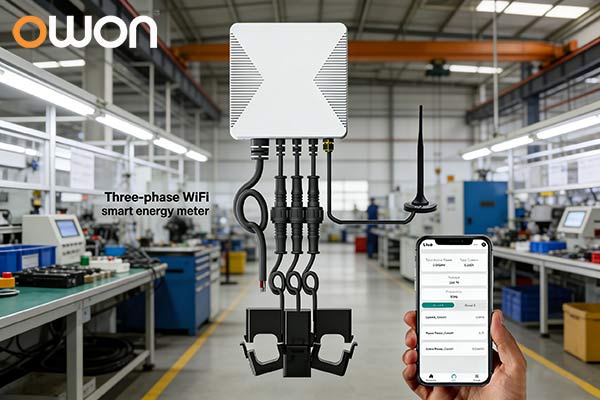
What Is a Smart Home Energy Monitor?
A smart home energy monitor is a connected device that measures electricity usage and provides detailed data through apps or cloud platforms.
Unlike traditional meters, these systems can:
-
Monitor voltage, current, and power consumption
-
Provide real-time usage data
-
Store historical energy data
-
Enable remote monitoring
This makes them an essential component of any smart home energy monitor Australia setup.
WiFi Energy Meters for Simple Monitoring
WiFi-based smart energy meters are widely used for whole-home monitoring.
They are typically installed in the distribution board and allow users to track total electricity consumption through mobile apps.
Key benefits include:
-
Easy installation
-
Real-time monitoring
-
Remote access via smartphone
-
Suitable for most households
For users who want a straightforward solution, WiFi smart meters are often the easiest entry point.
Zigbee Devices for Smart Home Integration
For more advanced setups, Zigbee-based devices provide greater flexibility and control.
These devices can be integrated into a smart home ecosystem and include:
-
Zigbee smart plugs for appliance-level monitoring
-
Zigbee outlets for remote control and energy tracking
-
Zigbee relays for automation
-
Zigbee switches for integrated smart control
For example, some energy monitoring solutions available in the market, such as those developed by companies like OWON, combine WiFi smart power meters with Zigbee-based devices to provide both whole-home monitoring and device-level energy insights.
This hybrid approach allows users to build a scalable and intelligent home energy monitoring system.
Home Assistant Energy Monitor Integration
Many advanced users in Australia prefer using open-source platforms such as Home Assistant.
A typical home assistant energy monitor Australia setup includes:
-
A smart energy meter for total consumption
-
Zigbee devices for device-level monitoring
-
A central hub or gateway
This setup enables:
-
Real-time energy dashboards
-
Automation rules (e.g., turning off devices during peak hours)
-
Integration with solar and battery systems
Home Assistant provides a high level of customization, making it ideal for users who want full control over their energy systems.
WiFi vs Zigbee Energy Monitoring: Key Differences
| Feature | WiFi Energy Meter | Zigbee Devices |
|---|---|---|
| Installation | Simple | Moderate |
| Coverage | Whole-home | Device-level |
| Connectivity | Direct WiFi | Requires gateway |
| Use Case | Basic monitoring | Smart home automation |
| Scalability | Limited | Highly scalable |
A combined solution using both technologies often provides the best balance between simplicity and advanced functionality.
Choosing the Best Home Energy Monitor in Australia
When selecting a system, homeowners should consider:
-
Whether they need whole-home or device-level monitoring
-
The type of connectivity (WiFi vs Zigbee)
-
Compatibility with smart home platforms
-
Future scalability
A flexible system that supports both real-time monitoring and smart home integration will provide the most long-term value.
FAQ: Home Energy Monitoring in Australia
What is the best home energy monitor in Australia?
The best solution depends on your needs. WiFi smart meters are ideal for simple monitoring, while Zigbee-based systems are better for smart home integration and automation.
Can I use Home Assistant for energy monitoring?
Yes, Home Assistant can integrate with smart energy meters and Zigbee devices to provide real-time dashboards and automation features.
Do I need both WiFi and Zigbee devices?
Not necessarily. WiFi meters are sufficient for basic monitoring, but combining both technologies offers more detailed insights and control.
Conclusion
Choosing the best home energy monitor Australia depends on your home setup and energy management goals.
WiFi smart meters provide a simple and effective way to monitor electricity usage, while Zigbee devices enable deeper integration and automation within smart home systems.
By combining these technologies, homeowners can achieve better visibility, control, and efficiency in their energy usage.
As electricity costs continue to rise, investing in a smart energy monitoring system is becoming an essential step toward a more efficient and sustainable home.